This goes deep into describing El Salvador fruits!
What happens when a Puerto Rican is surrounded by dozens of Salvadorans? Well, being as nice as they are, they make sure you taste some of the culinary offerings of the country.
They will offer you some delicious typical dishes (that’s a given). But, they will also make sure you taste some of the fruits they enjoy on a daily basis. For first or second time visitors, these fruits may be perceived as exotic. Even after growing up on a tropical island, I found the fruit variety in El Salvador mind-blowing.
Most of the times I have visited, I was the only foreigner among a sea of locals. Believe me, they made sure I tried a lot of fruits.
Table of Contents
El Salvador Fruits
Here are some of the ones I have never tried before visiting El Salvador. How many of these have you tried?
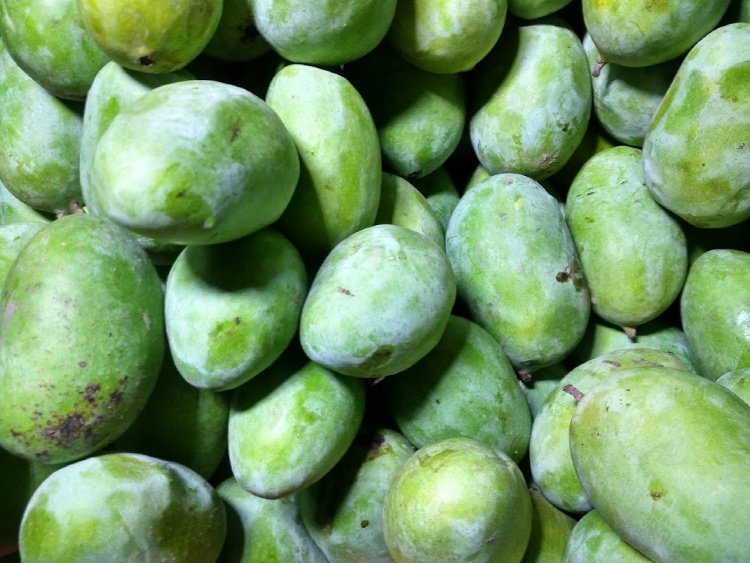
Mamey
Mamey (mammee apple) is one of the most beloved fruits in El Salvador. Don’t get confused. For Mexicans, Puerto Ricans and other Latin Americans, mamey is a different fruit (Pouteria sapota which Salvadorans call sapote).
The mamey I am referring to is an evergreen tree native to tropical South America. To my surprise, this fruit is closely related to the mangosteen (a fruit I love).
My husband insisted that I had to try at least a piece of mamey. So, we found one in the market. Ohhh, it was delicious. I can eat and eat this all day. Try it if you have the opportunity.
A piece of advice: mameys are hard to peel. You may need to ask for help.
Other Names: Mammee, Mamey Apple, Santo Domingo Apricot, South American Apricot.
Interesting Fact: The Kolashampan, which many consider the country’s national drink, is infused with mamey flavor.
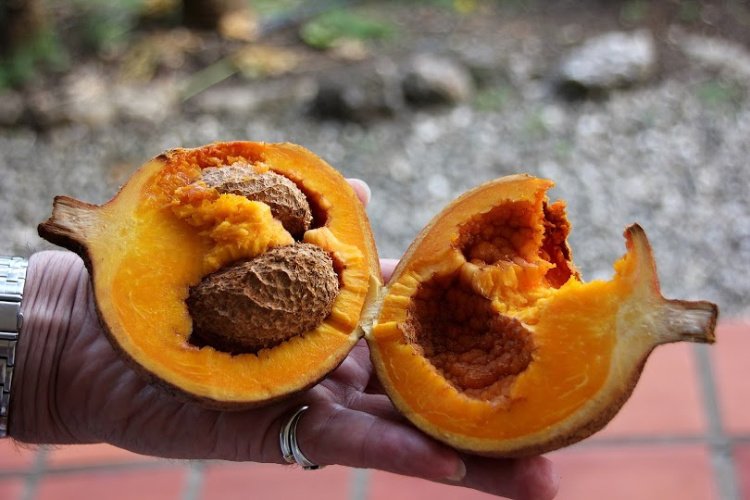
Carao
This fruit is similar in many ways to carob, except that the carao tree only grows in Central America and Hawaii. Carao tastes like a mix of carob fruit and sugar cane molasses. Many ingest it because of its anti-anemic properties.
In El Salvador, carao is usually used to flavor milk (leche con carao) and can be used in a number of recipes that call for milk.
We found carao at a local supermarket and my husband bought a pound. His mom prepared it with milk. I had to pass on this one. The smell was too pungent for me. No wonder I find it so similar to carob.
Other Names: Cañandonga, Caña Fístula Cimarrona
Interesting Fact: A type of carao concentrate is sold for its medicinal purposes (it is quite expensive).

El Salvador Fruits – Chaparron
This fruit is not well-known or sold in markets. It was introduced to us by one of the guides at El Impossible National Park. We saw tons of bushels while hiking around the park.
My husband and one of his friends picked tons of chaparron berries to eat during our hike. It has a sweet and pleasant flavor. I can see myself eating it on a regular basis.
Interesting fact: Be careful if you use the word “chaparron” in El Salvador. The word is also used to describe a type of moonshine made in the country.
Marañón
Cashews nuts are some of the most popular (and yummy) nuts sold as snacks. I am sure you don’t have a problem recognizing them. But, do you know the fruit is eaten and used in juices and sauces?
In El Salvador, cashew fruit is known as “marañon” and cashew fruits as “semillas de marañon.”
During a visit to the country, it was cashew season. The fruit was available at every corner. A friend asked me if I have ever tasted it. When I said no, he proceeded to snag one from a tree. The flavor is strong and acidic. I have to say it was not my favorite thing in the world.
In Portuguese, the fruit is known as caju (super catchy word I cannot stop saying it).
Interesting Fact: When eating cashew fruit, don’t let the liquid get to your clothes. Locals affirm it produces stains that would ruin any textile (nothing removes the stain)
Another Interesting Fact: It is very difficult to release the cashew nut from its shell. In industrial settings, heavy machinery is used to open the shell. In El Salvador, people roast the nut in an open fire. After a certain time (they know when is ready), it is easy to remove the shell. I had some prepared and they tasted delicious. I can’t believe I had the amazing opportunity to try them.

Jocote
This is one of the most popular fruits in El Salvador. The jocote is a species of flowering plant in the cashew family that is native to tropical regions of the Americas. The name derives from the Nahuatl word xocotl, meaning “sour fruit.” After that explanation, I do not have to go into detail about the taste of the fruit.
One typical dish in Salvadoran cuisine consists of a syrup made of unrefined whole cane sugar (panela or piloncillo), jocote and mango.
Other Names: Red Mombin, Purple Mombin, Hog Plum, Sineguela, Siriguela

Fruits in El Salvador – Marañon Japonés
In this article, I am using the names Salvadorans give to the fruits. This one is known as Japanese Marañon. I have no idea how they came up with that name.
In Puerto Rico, we know this fruit as pomarrosa. Its widely accepted name is Malay apple. I have actually tried it in Thailand. It has a pleasant and refreshing flavor. This is another one I like a lot.
I was able to find the fruit on a market.

Manzana Rosa
This one is closely related to the marañon japones or pomarrosa. It is even known as “pomarrosa” in some countries. Its generic name is rose apple. We were also introduced to this fruit at El Imposible National Park. To me, it has a lemony flavor and smell (which is weird).
Interesting Fact: Salvadorans have a vulgar name for this fruit. They call it manzana pedorra or fart apple. I am not kidding. They call it like that. Apparently, it has “certain” effect on your digestive system.

Paterna
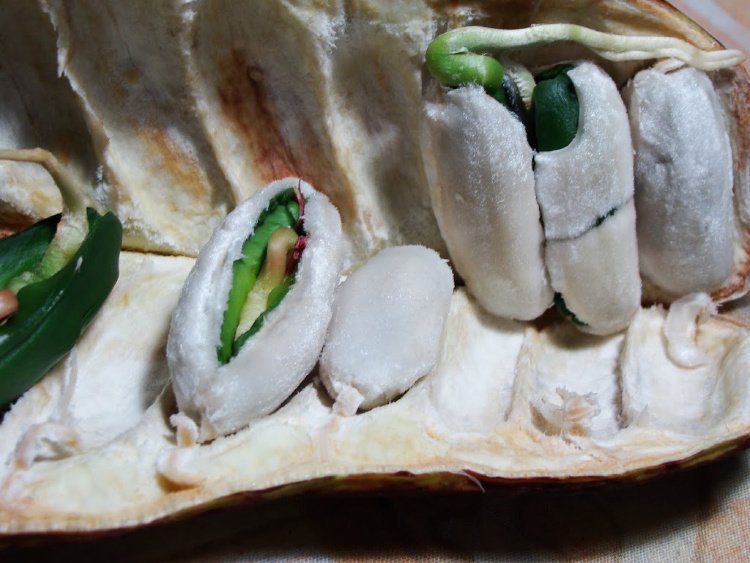
Let me first say this is not a fruit. It is a pod holding a row of “beans” which are coated by a fluffy, light and sweet substance that resembles a marshmallow pocket.
When you get a fresh pod, you only consume the white covering. Kids love to munch on this. You cannot eat the remaining “beans” or seeds because they are hard as a rock. They must be boiled until they are soft, and can then be consumed with salt and lime. Nothing is wasted in this country.
Arrayan
Arrayan is a small, rounded fruit with acid and sour taste. To me, it looks like a diminutive version of guava.
The fruit can be eating in its entirety (seeds and everything). In El Salvador, the fruit is pressed to prepare juice (similar to agua fresca) or raspados (snow cones).
Others prepare the fruit in jams or in syrup.
Granadilla
Oh my! I feel in heaven every time I have the opportunity to have granadilla juice. And, this is not a surprise since I have always been a fan of passion fruit. And, granadilla is closely related to passion fruit (they are on the same genus, passiflora).
Like passion fruits or pomegranates, granadillas are full of seeds covered by a thin membrane. The thing is that granadillas are sweet instead of tart. Some people eat everything inside the granadilla. I am too picky for that.
But, the juice, oh, the juice! It is so good!
You can have the juice by itself or in an ensalada (a typical drink prepared with juice and chopped fruit).

El Salvador Fruits – Manzanilla
The manzanilla is a fruit typically eaten in syrup or “honey” (manzanilla en dulce or manzanilla en miel). The fruit is boiled until tender and peeled. After that, it is returned to the water and boiled with sugar, cinnamon sticks and strawberry essence. The high pectin content of the fruit gives a syrupy texture to the final product. The essence gives the dessert its characteristic red color.
The manzanilla is known in other countries as tejocote, a word from the Nahuatl meaning “stone fruit.” In Mexico and Guatemala, it is used to prepare a traditional drink called ponche. This drink is usually served during the Christmas season and on New Year’s Eve.

Annona
In general terms, Annona is a genus (family) of flowering plants which includes over 160 species.
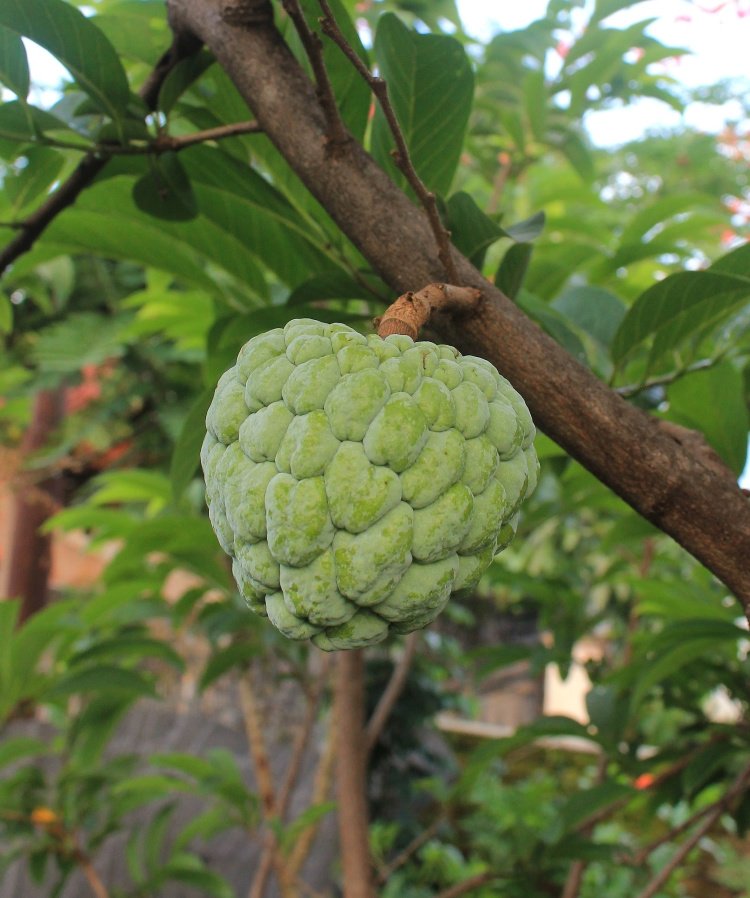
In El Salvador, several species are consumed. It is difficult to find out the scientific name of these fruits since different species look very similar. The white Annona consumed seems to be known in English as sugar apple (Annona squamosa, the most widely grown species in the Annona genus). However, seems like cherimoyas (annona cherimola) are eaten too.
Pink Annonas seem to be preferred by Salvadorans. Some research indicates this fruit is called ilama (Annona diversifolia).
Nance
Nances are very popular in El Salvador and Central America. The fruit, resembling a yellow cherry, is sold fresh in markets and street carts all over the region.
In addition, the fruit is used to prepare juice, carbonated beverages, ice cream, and raspados (snow cones). It can be prepared in syrup like the manzanilla or used to infuse liquors.
Nispero
The nispero or loquat or Chinese plum has origins in China. Nowadays, it is consumed worldwide.
In El Salvador, it is eaten mainly raw. It is also known as nispero japones or sapodilla nispero.
Fruits El Salvador – Guinda
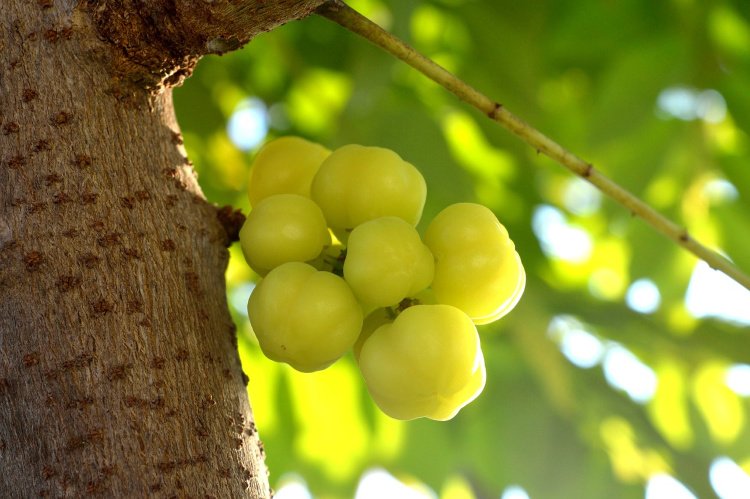
Guindas or star gooseberries are extremely sour. People tend to eat them with salt and chile to balance the flavors. A thirst-quenching juice can be prepared by adding the correct amount of water and sugar.
In Asian countries, the fruit is prepared candied, pickled or used in relishes, chutneys and sauces.
Other names: Otaheite gooseberry, Malay gooseberry, Tahitian gooseberry, Country Gooseberry, Starberry, West India gooseberry
Matasano
The matasano or white sapote has one of the most peculiar names on this list. Matasano can be translated to English as “kill a healthy person.” The name comes from the fact that the seeds of the plant contains several active histaminic compounds. If eaten or chewed, they will make a person sleepy.
The properties on the white sapote were well-known in pre-Hispanic times. That is why the Nahuatl name is cochitzapotl, meaning sleep sapote.
Other names: Casimiroa, Mexican Apple
Sincuya
The sincuya is another Annona consumed in El Salvador (Annona purpurea). It is also known as soncoya or cabeza de negro.
Pepenance
Yet another fruit that is loved by Salvadorans (my husbands talk about how good it tastes all the time). The pepenance is a round, yellowing fruit resembling an apricot.
Other names: Tallow wood, Hog Plum, Yellow Plum, Sea Lemon, Pi’ut

Other Fruits in El Salvador
Other fruits found in El Salvador include rambutan (mamon chino), passion fruit, pineapple, guava, coconut (and coconut water), mangoes, bananas, zapotes (the fruit that in Mexico is known as mamey) and papaya.
In terms of exotic fruits, you may find things like jabaticaba, papaturro, caimito, sunsapote, and copinoles in markets or in the streets.
Well, what do you think of all this variety? Fascinating, right?
Even though I felt like a guinea pig sometimes, I was glad I had the opportunity to try all these (except the carao, no, no).
More of El Salvador
Food in El Salvador: Best Dishes, Desserts, and Drinks
The Colorful Town of Concepcion de Ataco
27 Interesting Facts about El Salvador
What do you think about El Salvador fruits? Let me know in the comments section below.





Jan Ross says
I have never heard of ANY of these fruits! Interesting how we think the few fruits we have in America are the only ones available. I’d love to try some of these.
Ruth says
Jan,
This is only a subset of all the fruits you can find in El Salvador and Central America. I focused in the ones I tried for the first time. If you think about, the variety is mindblowing.
Saul Ramirez says
I’m glad I’ve been able to try some of the them; my moms favorite would be the jocotes. I’m glad you like and enjoyed them!
Mark Wiens says
Found it Ruth! They all look fantastic, I’ve eaten some of these, but the berries and the mammee, I’ve never seen before. Cashew fruit is definitely strange and bizarre, but there’s something so weird about the flavor that I do enjoy eating it! Great round-up, looks like El Salvador is another fruit paradise!
Ruth says
The mammee aplee is native to South America and I am not sure if it is cultivated in Asia. Because a lot of fruits from Asia can be found in the Central America and the Caribbean (like the rambutan). El Salvador, yes, another fruit paradise.
Caro says
Hi. I’m from El Salvador, I’m glad you liked our fruits, and yes, you can bet we always try to make everyone eat our food, Lol. I live in Mexico now and everything you described and the pictures! I miss them all, mamey it’s my favorite food in this world and I hate carao, it smell like dirty socks.
Gloria says
WOW! I am from Guatemala, another “fruit paradise” and what wonderful childhood memories these pictures brought me. I was actually looking for rose apple when I found it. I have eaten and enjoyed all of these except chaparron.
Thanks.
Ruth says
Great, Central America has an incredible fruit variety. I like to go to the mercados to see what I can find.
Rodolfo says
You forgot to mention my favorite fruit Anonas one of the best and tastier fruits I ever had.
Ruth says
LOL. I have seen anonas in El Salvador but not on thi sparticular trip. This is why I didn’t include them. I have friends who would kill to taste some anonas.
Jill says
Anonas YUM! As well as mamay (spelling). Wasn’t a big fan of mareñon(though the fresh roasted cashews were delicious). Also didn’t care for nances.
Enma says
You also missed granadillas, OMG they are adictive
Nery says
Do you know if paternas are sold in any way in the US? Thnx.
Ruth says
Unfortunately, I have never seen paternas sold in the United States.
Omar says
Nery,
I don’t think you can find them anywhere in the US. I wanted to bring some for my friends last year, but airport security took my paternas and almost got in trouble. :(.
Rocio says
You can find the green “seeds” in Latin markets in the frozen section. But the white part (nature’s cotton candy) only in El Salvador.
Carmen says
After reading and looking at the pics I’ve tried 5. For the past few years I have been traveling to El Salvador with my mom and have the opportunity to eat all these fabulous fruits and others. The anonas which are in the chiramoya family has pink flesh versus white chiramoya flesh and is extremely delicious and fragrant. The granadas which is a passion fruit are also amazing. My next trip is next week….after looking at the pictures I cant wait. Yummy.
Warren says
A longtime Cuban friend (now deceased) used to brag about the Mamey and the Anon, and considered the red Papaya of Cuba the best tropical fruit in the world.
I don’t particularly agree with his favorite selections, but all those fruits are certainly enjoyable and all have their distinct merits.
I never could understand the $10-a-pound price of Mangosteen that I find where Mangosteens are sold in the U.S., since the majority of the weight is the hard shell which encases the smallish amount of fruit within. But I enjoy the taste–just not $10-a-pound worth.
Florlopez says
Where you found it? ??
giselle says
im from el salvador and this are the best fruits i live in the usa and i miss the fruit so much el salvador is such a wonderful place and has the best fruits and food
Ingrid says
I have tried all of these fruits. I have been thinking I should ask someone to can some paterna so I can have them with salt and lime here in Canada.
Mame Y says
I am a salvadorean..living in the US and in 2014 I had the opportunity to visit Puerto Rico..and in Canovanas I found the delicious “mamey!” I was told that people there, now a days, do not eat it as much and they are more often opting for the supermarket sold fruit. 🙁
Stephanie. Lopez says
Would you happen to know what month these fruits are in season or where I can find a listing per month of fruits? We are planning our trip this time around when most of our favorite fruits are in season. Thanks
David Moon says
Did you forget to mention “Pitaya” and “Pejibayes”?
Lluvi says
Thank you so much for this post! My family is Salvadoran & looking up the fruits they mention can be difficult when different countries call different fruits by the same name, & I don’t know the scientific names, or what they look like.
Another fruit not mentioned here is my favorite: Melicoccus bijugatus, or mamón 🙂 If, like my Mexican friends, that name makes you blush, they’re also known as quenepa, guinep, limoncillo, Bajan ackee, chenet, Spanish lime, mamoncillo, huaya, &c.